
Health
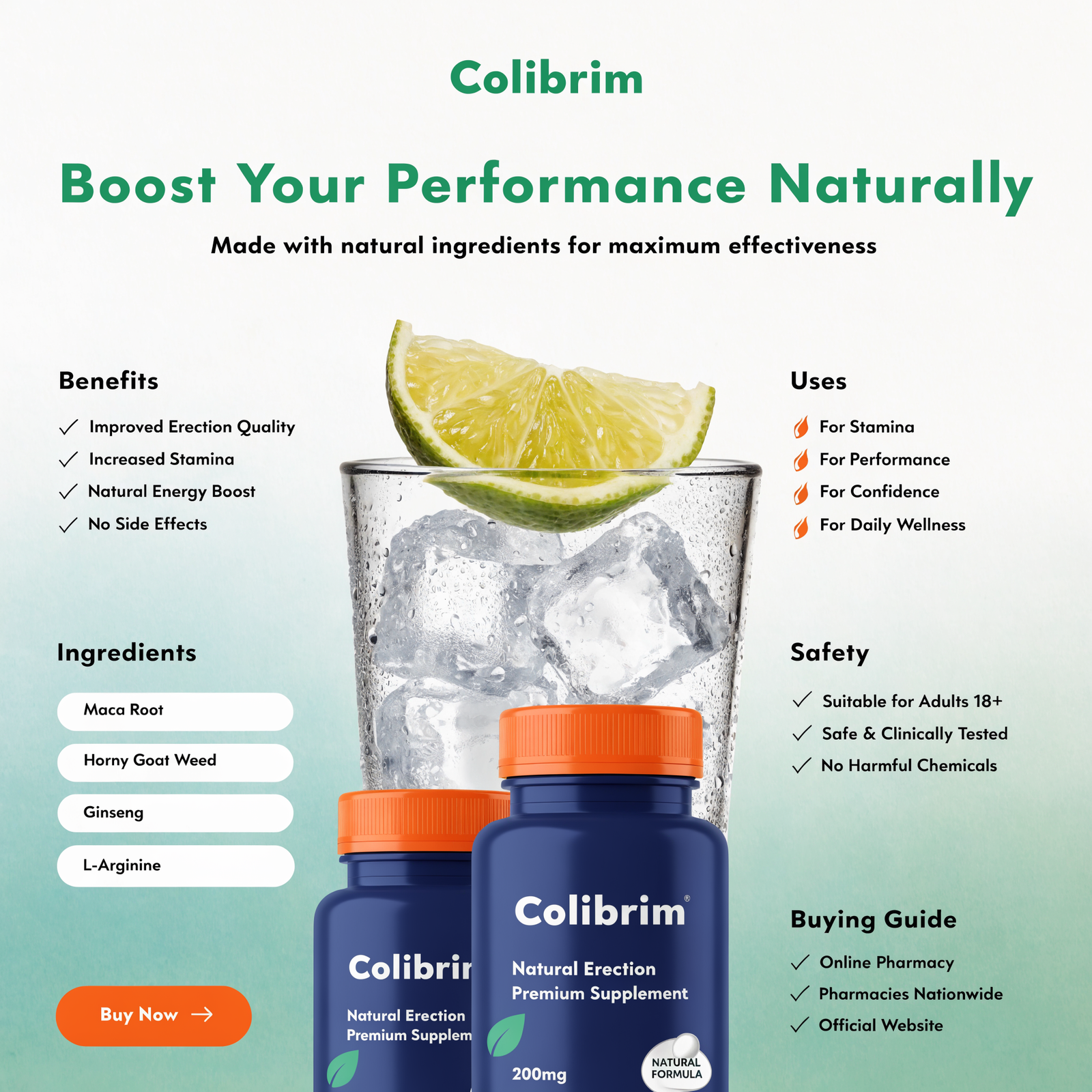
Colibrim Erection Supplements: Benefits, Ingredients, Uses, Safety, and Buying Guide

Health
Wellness Supplement Reviews Colibrim: A Complete Guide to Ingredients, Benefits, Safety, and Customer Experiences

When people search for wellness supplement reviews Colibrim, they are usually looking for more than a simple statement saying whether the product is good or bad. Consumers want to understand what the supplement is designed to do, what ingredients it contains, how it may fit into a daily wellness routine, what kind of results users might realistically expect, and whether there are any important safety considerations to think about before using it. The supplement market is crowded with products that make attractive claims, so taking time to examine the available information carefully can help consumers make more informed decisions instead of relying only on advertising, social media comments, or unverified testimonials. A thoughtful review should consider the product’s purpose, formula, labeling, usage instructions, manufacturing information, and the difference between general wellness support and medical treatment.
This guide provides a detailed overview of the key points people should consider when researching Colibrim wellness supplement reviews. Because supplement formulas, product claims, availability, and labeling can change over time, readers should always check the current product packaging and official product information before making a purchase. It is also important to remember that supplements are not a substitute for a balanced diet, healthy lifestyle, or professional medical advice. The goal of this article is to provide a balanced framework for evaluating Colibrim and similar wellness supplements so that readers can better understand what they are buying and make decisions based on reliable information and their own individual needs.
What Is Colibrim?
Colibrim is searched by consumers interested in wellness supplements and products intended to support particular aspects of everyday health and well-being. When evaluating a supplement such as Colibrim, the first step is to understand exactly how the product is positioned and what its label says it is designed to support. The name of a supplement alone does not tell consumers enough about its formulation or purpose, which is why checking the ingredient list, serving size, directions, manufacturer information, and product claims is essential. A responsible review should avoid assuming that every claim associated with a product is automatically proven, especially when the available information may come from marketing material or individual customer experiences rather than independent scientific research.
The best way to understand any wellness supplement is to look at the complete picture rather than focusing on one ingredient or one review. Some consumers may report positive experiences, while others may notice little or no difference. These different experiences can occur because people have different diets, lifestyles, health backgrounds, expectations, and reasons for taking supplements. For this reason, Colibrim supplement reviews should be considered as part of a broader evaluation process rather than treated as a guarantee of results for every person.
Why People Search for Wellness Supplement Reviews Colibrim
The phrase wellness supplement reviews Colibrim reflects an important type of search intent: people want independent information before deciding whether a product deserves their attention. Online shoppers increasingly look beyond a product description and want to know whether a supplement appears transparent, whether its ingredients are clearly listed, whether its claims seem reasonable, and whether other consumers have shared consistent experiences. A review can be especially useful when it separates confirmed product information from personal opinions and avoids presenting unsupported claims as facts.
Another reason people search for Colibrim reviews is that wellness supplements can be difficult to compare. Products may use different ingredient combinations, serving sizes, formulas, and marketing messages, making it challenging for consumers to determine which details actually matter. A detailed review can help readers focus on practical questions: What is in the product? What is the intended purpose? How should it be used? Is the label clear? Are there warnings or potential interactions to consider? Is the product appropriate for the individual? These questions are more useful than simply asking whether a supplement is “the best,” because the right choice can vary considerably from one person to another.
Examining the Ingredients in a Colibrim Supplement
One of the most important parts of any Colibrim supplement review is the ingredient list. Consumers should examine every active ingredient, the amount provided per serving, the recommended serving size, and any additional ingredients used in the product. A supplement with a long ingredient list is not automatically better than one with a shorter formula, and a product containing a familiar ingredient is not automatically effective for every purpose. The key question is whether the ingredients are clearly identified and whether the amounts provide useful information for consumers who want to evaluate the formula.
It is also important to distinguish between an ingredient’s general nutritional or wellness role and a specific health claim made about that ingredient. For example, an ingredient may have been studied in a particular context without proving that every supplement containing it will produce the same result. The form of an ingredient, its dosage, the combination with other ingredients, and the individual using it can all influence the overall experience. Anyone researching Colibrim ingredients should therefore read the current label carefully and avoid relying on outdated information or claims copied from unrelated products.
Potential Benefits and Realistic Expectations
People often search for Colibrim benefits because they want to know what they might realistically expect from using the supplement. However, the answer depends on the product’s actual formula and intended use, as well as the individual’s existing diet and lifestyle. A supplement may be designed to complement everyday wellness habits, but it should not automatically be viewed as a replacement for nutritious food, regular physical activity, adequate sleep, or professional care when needed. The most realistic approach is to consider a supplement as one possible part of a broader wellness routine.
Expectations are particularly important because many supplement users judge a product too quickly or expect dramatic changes. Individual experiences can vary significantly, and a person may notice a difference while another person using the same product may not. Reviews and testimonials can provide insight into personal experiences, but they should not be treated as scientific proof that a product will deliver the same results for everyone. A balanced Colibrim review should therefore discuss potential benefits carefully and avoid promising guaranteed outcomes.
Understanding Customer Reviews and Testimonials
Customer feedback can be useful when evaluating a wellness supplement, but it should be interpreted carefully. Positive reviews may describe how a person felt after using the product, while negative reviews may mention issues such as lack of noticeable results, taste, convenience, price, or personal reactions. However, individual reviews do not always provide enough information to determine why a particular person had a specific experience. A reviewer may have used the product for a different length of time, followed different instructions, or had different expectations from another customer.
When reading Colibrim customer experiences, look for patterns rather than relying on a single dramatic testimonial. Multiple reviews discussing similar experiences may be more informative than one isolated comment, although even repeated customer opinions should not replace reliable product information or professional advice. Consumers should also be cautious of reviews that make extraordinary promises, claim that a product works instantly for everyone, or present a supplement as a guaranteed solution to a serious health problem. The most trustworthy approach is to compare customer feedback with the product label and other credible information.
Colibrim Safety and Important Considerations
Safety should always be an important part of any wellness supplement evaluation. Even products marketed as natural or general wellness supplements can affect individuals differently. People may have allergies, sensitivities, existing health conditions, or personal circumstances that make certain ingredients unsuitable for them. Some ingredients may also interact with medications or other supplements. For this reason, consumers should carefully read the product label and consult a qualified healthcare professional if they have questions about whether a supplement is appropriate for them.
Pregnant or breastfeeding individuals, people taking prescription medications, and those with existing medical conditions should be especially careful when considering a new supplement. It is also important to follow the recommended serving instructions and avoid assuming that taking more will produce better results. If a person experiences an unexpected or concerning reaction after using a supplement, they should stop and seek appropriate professional guidance. These considerations are essential when discussing Colibrim safety because a responsible review should present both potential advantages and possible limitations rather than focusing only on promotional claims.
How to Evaluate Whether Colibrim Is Worth Considering
Determining whether Colibrim is worth considering depends on several factors, including the product’s purpose, ingredients, cost, transparency, personal goals, and individual circumstances. A consumer should begin by asking whether the supplement is relevant to a genuine wellness need or whether they are being influenced mainly by marketing. Next, they should review the label and compare the product with alternatives that may offer similar ingredients or benefits. Checking serving size and the amount of each active ingredient can also help consumers make a more meaningful comparison.
Price is another factor, but the cheapest product is not always the best value, and the most expensive product is not automatically the highest quality. A better comparison considers the cost per serving, the transparency of the formula, the convenience of use, and whether the product fits the consumer’s needs. People searching is Colibrim worth it should also consider their expectations. If they expect a supplement to replace healthy habits or provide guaranteed results, they may be disappointed regardless of the product. A more realistic approach is to view supplementation as a possible addition to a healthy lifestyle.
Common Mistakes People Make When Buying Wellness Supplements
One common mistake is purchasing a supplement based entirely on a bold claim or a single positive testimonial. Marketing language can be persuasive, but consumers should look for specific information about ingredients, serving sizes, manufacturer details, and usage instructions. Another mistake is failing to read the complete label. Important information may appear in the directions, warnings, allergen statements, or other sections rather than in the main product description.
A further mistake is assuming that “natural” automatically means risk-free. Natural ingredients can still cause unwanted effects or interact with medications, and individual responses can vary. Consumers should also avoid taking multiple products with overlapping ingredients without understanding the total amount they are consuming. Anyone researching Colibrim wellness supplement products should take a careful, informed approach and consider speaking with a healthcare professional when personal health factors are involved.
Final Verdict: What Should Consumers Know About Colibrim?
A balanced conclusion to any wellness supplement reviews Colibrim article is that consumers should evaluate the product based on its current label, ingredients, intended purpose, safety information, and realistic expectations. Customer reviews can offer useful insight into personal experiences, but they should not be treated as proof that every user will experience identical results. The most responsible approach is to consider the supplement as one part of a broader wellness strategy and to avoid exaggerated promises.
Before purchasing, consumers should confirm the current product information, review the ingredient list, understand the recommended use, and consider whether the supplement fits their personal needs. People with health conditions, allergies, or medication concerns should seek professional guidance before starting a new supplement. Ultimately, the value of Colibrim will depend on the individual consumer, the product’s actual formulation, and whether it provides a suitable addition to that person’s overall wellness routine.
Conclusion
Searching for wellness supplement reviews colibrim can help consumers gather useful information before making a purchasing decision, but the quality of the review matters. A strong evaluation should look at the product from multiple angles, including its ingredients, intended benefits, customer experiences, safety considerations, labeling, and value. Instead of relying on a single testimonial or a bold marketing promise, consumers should take time to examine the available information and develop realistic expectations about what a wellness supplement can and cannot do.
Colibrim may be worth considering for consumers who are looking for a supplement that fits their individual wellness goals, but no supplement should be viewed as a guaranteed solution for everyone. The best decisions come from combining careful product research with healthy lifestyle habits and, when appropriate, advice from a qualified healthcare professional. By taking this balanced approach, readers can make more informed choices and better understand whether a product such as Colibrim is suitable for their personal needs.
Frequently Asked Questions About Wellness Supplement Reviews Colibrim
What are wellness supplement reviews Colibrim?
The phrase wellness supplement reviews Colibrim generally refers to online research about the product, including its ingredients, intended benefits, safety information, customer experiences, and overall value. A good review should provide balanced information and avoid making guaranteed claims about results.
Is Colibrim a good wellness supplement?
Whether Colibrim is a good choice depends on the individual and the product’s current formulation. Consumers should review the ingredient list, intended purpose, serving instructions, and safety information before deciding whether it fits their wellness goals.
What should I check in a Colibrim supplement review?
Look for information about the complete ingredient list, serving size, product claims, manufacturer transparency, customer feedback, safety considerations, and realistic expectations. These details provide a more complete picture than a simple positive or negative rating.
Can everyone take Colibrim?
Not necessarily. Individual suitability can depend on allergies, medications, health conditions, and other personal factors. Anyone with concerns should carefully read the product label and consult a qualified healthcare professional before using a new supplement.
How long does it take to notice results from a wellness supplement?
The answer can vary depending on the product, its ingredients, the intended purpose, and the individual. Some people may notice changes quickly, while others may not notice a significant difference. Consumers should follow the product directions and maintain realistic expectations.
Are customer reviews enough to prove that Colibrim works?
No. Customer reviews describe personal experiences and can be useful for understanding how some people felt about a product, but they do not guarantee that everyone will experience the same results. Reviews should be considered alongside product information and other reliable evidence.
Where can I find the most accurate information about Colibrim?
The most current information should come from the product’s official packaging, current manufacturer information, and other reliable sources. Because supplement formulas and product information can change, consumers should verify details before purchasing or using the product.
Is Colibrim a replacement for a healthy lifestyle?
No supplement should generally be viewed as a replacement for a balanced diet, regular physical activity, sufficient sleep, and appropriate professional healthcare. A wellness supplement is best considered as a possible addition to a broader healthy lifestyle.




 gaming4 months ago
UFC 5 Controls: Complete Beginner and Advanced Guide (PS5 & Xbox)
- Tech4 months ago
Aura Wallpaper: The Ultimate Guide to Beautiful Backgrounds for Every Device (2026)
- gaming4 months ago
r2rtrust.foullrop85j.08.47h Gaming: The Complete Guide for Every Gamer
- Entertainment4 months ago
Figure Skating Milano Cortina 2026: Complete Guide to the Olympic Competition
- NEWS3 months ago
Crypto Batter.com – Your Trusted Source for Cryptocurrency News, Market Trends, and Blockchain Insights
- Tech4 months ago
YouTube to MP3: The Complete Guide to Safe and High-Quality Audio Conversion
- Entertainment4 months ago
Flix HQ: Everything You Need to Know About the Popular Streaming Platform
- Tech4 months ago
Jack Swinney OneStaff Medical Email: How to Find the Right Contact Information