blog
Yaszbari: Meaning, Origins, Uses, and Everything You Need to Know



The phrase “I Love You Bitch” immediately stands out because it combines two words that appear to contradict each other: an expression of affection and a word that can be insulting depending on the context. That unexpected combination is precisely what has made the phrase memorable in popular culture and music. For many people searching for “I Love You Bitch,” the reference is to Lizzo’s song of the same name, released as part of her 2022 album Special. The song takes an unconventional phrase and transforms it into an energetic expression of affection, friendship, appreciation, and emotional connection. Lizzo has explained that she wanted the track to function as a broad love song rather than being limited to one particular type of relationship.
The phrase can also lead people to FLETCHER’s “I Love You, Bitch,” another song released in 2022. FLETCHER’s track appears on Girl Of My Dreams, while Lizzo’s appears on Special, so identifying the artist is important when searching for the correct song. In this guide, the main focus is Lizzo’s “I Love You Bitch,” including its meaning, background, musical identity, relationship to the Special album, and reasons the unusual title works so effectively as a piece of pop culture.
What Does “I Love You Bitch” Mean?
At its simplest level, “I Love You Bitch” is an intentionally informal and provocative way of expressing affection. The word “bitch” can traditionally be used as an insult, but language changes according to context, relationships, tone, and culture. Within Lizzo’s song, the phrase is presented as affectionate rather than as a straightforward insult. The contrast between “I love you” and the deliberately blunt final word creates humor, personality, confidence, and familiarity. Instead of presenting love in a conventional romantic phrase, the song uses language that sounds conversational and contemporary.
Lizzo herself explained that she wanted the song to be a kind of universal love song that could apply to different relationships and social situations. In an interview about the track, she described the concept as something that could be directed toward a romantic partner, a best friend, family member, or even someone newly encountered socially. That explanation is useful because it shows why the song does not need to be interpreted only as a traditional romantic declaration. Its central idea is broader: affection can be expressed through humor, closeness, admiration, and unconventional language.
I Love You Bitch by Lizzo
Lizzo’s “I Love You Bitch” was released in 2022 as part of her album Special. Music databases identify the track as a Lizzo recording released through Nice Life and Atlantic, with a listed release date of July 15, 2022. The song was written by Lizzo along with Blake Slatkin, Omer Fedi, Joseph W. McVey, and Mike Dean, while Slatkin and Fedi were among the producers involved in its creation.
Musically and lyrically, the track combines an upbeat pop presentation with unusually direct language. Rather than making affection sound overly formal or sentimental, Lizzo uses an intentionally casual vocabulary. This creates a contrast between the emotional subject matter and the playful way it is delivered. The result is a song that can sound humorous while still communicating genuine appreciation. That combination is important to understanding why the title attracts attention: the phrase is memorable before a listener even hears the music, while the song itself gives the phrase a specific emotional context.
The Story Behind the Song
One of the most interesting details about “I Love You Bitch” is that Lizzo has discussed having the title before the complete song existed. According to her explanation, Cardi B had posted that she wanted to hear a love song from Lizzo. Lizzo then considered what an unconventional Lizzo love song might sound like and arrived at the phrase “I love you, bitch.” She subsequently took the idea into the studio and developed it into a full track with collaborators including Omer Fedi and Blake Slatkin.
Lizzo also connected the song to Houston musical influences, explaining that she thought about Z-Ro’s “I Hate U Bitch” and the possibility of transforming the sentiment into its opposite. This background helps explain why the song feels both playful and rooted in a particular musical tradition. Instead of simply choosing a provocative title for attention, Lizzo has described a creative process involving social media, another artist’s influence, songwriting experimentation, and the desire to create an unconventional love song.
Why the Title Is So Memorable
The title “I Love You Bitch” works because it creates immediate tension. “I love you” is one of the most recognizable expressions of affection in the English language, while “bitch” is often associated with insult or aggression. Putting the two together forces the reader or listener to reconsider the second word based on the context of the first. The result can feel humorous, rebellious, affectionate, or deliberately provocative depending on who is using the phrase and who is receiving it.
This is also an example of how modern popular music frequently plays with conversational language. Traditional love songs often rely on poetic descriptions, romantic imagery, and formal declarations. A phrase such as “I love you, bitch” goes in the opposite direction. It sounds like something people might say casually among close friends or partners rather than something taken from a conventional romantic ballad. That conversational quality gives the phrase a distinctive identity and helps separate the song from more traditional love-song vocabulary.
Is “Bitch” an Insult in the Song?
The answer depends heavily on context. In everyday English, “bitch” can be offensive, particularly when directed at someone who does not welcome the term. It should therefore not automatically be assumed that using the word with another person will be affectionate or acceptable. However, within Lizzo’s song, the surrounding lyrics and the artist’s explanation frame the word differently. It functions as part of a deliberately playful expression of closeness rather than simply being used as an insult.
This distinction is important for anyone discussing the meaning of the song. A word does not necessarily have exactly the same social meaning in every situation. Tone, relationship, intent, cultural context, and personal boundaries all influence how language is understood. Someone might use the phrase jokingly with a close friend, while the same phrase could be inappropriate or offensive when directed toward a stranger. Therefore, the song’s use of the word should be understood within its artistic and lyrical context rather than treated as a general recommendation for everyday speech.
I Love You Bitch and the Album Special
The song appears on Lizzo’s Special, an album that contains several tracks exploring confidence, relationships, identity, self-worth, and emotional connection. “I Love You Bitch” contributes a particularly playful form of affection to that broader collection. Its direct language and upbeat attitude fit naturally with Lizzo’s established approach to pop music, where confidence and humor can coexist with more personal emotional themes.
The track was released as part of the album in 2022, and music services continue to list it as a Lizzo recording from Special. Spotify identifies the song as a 2022 track by Lizzo and associates it with the album Special. The song’s continued presence on streaming platforms demonstrates that its unusual title has remained recognizable within Lizzo’s catalog.
I Love You Bitch by FLETCHER
An important point for anyone searching for “I Love You Bitch” is that Lizzo is not the only artist associated with the title. FLETCHER released “I Love You, Bitch” as part of Girl Of My Dreams. Spotify lists the track under FLETCHER’s album, and the official YouTube upload identifies it as a FLETCHER recording released in 2022.
FLETCHER’s song has a different artistic context from Lizzo’s recording. Discussions of the FLETCHER track often emphasize self-acceptance and the difficulty of extending the same compassion toward oneself that people may give to others. Consequently, someone searching for “I Love You Bitch meaning” should first determine which artist they mean. The identical or nearly identical titles can otherwise create confusion between two separate songs.
I Love You Bitch: Love, Friendship, and Self-Expression
One reason the phrase has broader cultural appeal is that it does not necessarily depend on conventional romance. Lizzo’s description of the track specifically presents it as something that could be directed toward different kinds of people and relationships. That makes the phrase useful for discussing a wider concept of affection: the people we love are not always romantic partners, and the language used to express that affection does not always have to sound traditionally romantic.
The phrase can also represent emotional familiarity. People who have a close relationship sometimes develop private expressions, jokes, nicknames, and forms of speech that would sound strange outside that relationship. “I Love You Bitch” captures that idea in an exaggerated musical form. The unusual wording communicates that the speaker is comfortable enough with the other person to express affection without relying on conventional romantic language.
The Role of Humor in the Song
Humor is one of the key elements behind the phrase. If the title simply said “I Love You,” there would be little linguistic surprise. Adding an intentionally provocative word creates a comic twist. That twist does not necessarily eliminate the sincerity of the affection; instead, it changes how that affection is presented.
This approach is common in contemporary pop culture, where serious emotional ideas are frequently mixed with humor, slang, irony, and conversational language. A song can be emotionally sincere without sounding solemn. In the case of Lizzo’s track, the unusual title helps establish that tone before the listener reaches the rest of the song. The phrase essentially tells the audience that this will be an affectionate declaration delivered with personality rather than a traditional sentimental ballad.
Why People Search for “I Love You Bitch”
Searches for “I Love You Bitch” can have several different intentions. Some people may be looking for Lizzo’s song, while others may be searching for FLETCHER’s similarly titled track. Some may want to understand the phrase itself, while others may be interested in the meaning behind Lizzo’s lyrics, the album Special, or the story behind the song’s creation.
For SEO purposes, this makes the keyword particularly interesting because it has several related search intents. A useful article should therefore answer the basic question first, identify the artist and song, explain the meaning, discuss the background, and distinguish Lizzo’s track from FLETCHER’s. Rather than repeating the exact keyword unnaturally throughout an article, related phrases such as “I Love You Bitch meaning,” “I Love You Bitch song,” “I Love You Bitch Lizzo,” “Lizzo Special,” and “FLETCHER I Love You Bitch” can provide useful topical coverage.
How to Understand the Phrase in Everyday Conversation
Although the phrase has become associated with music, people should consider context carefully before using it in ordinary conversation. “Bitch” remains a potentially offensive term, and familiarity between two people does not automatically mean that everyone will interpret it positively. The safest approach is to understand that language which works inside a song, comedy routine, or close friendship may not work in a professional environment or with someone you do not know well.
The important lesson is that affectionate language depends on consent, familiarity, tone, and social context. If someone does not appreciate a particular word or nickname, it is better to respect that preference rather than assume the word is harmless because it appears in a popular song. The artistic use of the term does not remove its potentially offensive meaning in other situations.
I Love You Bitch and Modern Pop Culture
“I Love You Bitch” is an interesting example of how modern pop music can turn everyday language into a memorable cultural expression. Instead of choosing a conventional romantic title, Lizzo built a song around an intentionally surprising phrase. Her explanation of the song’s origin shows that the title was closely connected to the concept she wanted to explore: an unconventional, universal expression of love.
The track also demonstrates the way contemporary musicians can use social media and popular culture as part of the creative process. Lizzo has specifically credited a Cardi B social-media post as the spark for the concept. The journey from a social-media comment to a finished commercial recording illustrates how ideas can move between artists, platforms, conversations, and professional songwriting sessions.
I Love You Bitch vs. I Love You, Bitch by FLETCHER
Although the titles are extremely similar, the songs should not be treated as the same recording. Lizzo’s version belongs to Special, while FLETCHER’s appears on Girl Of My Dreams. Both songs use the phrase in an affectionate context, but they come from different artists and different albums.
This distinction is especially useful for people searching streaming services, YouTube, or music databases. If a search result does not look like the version you expected, checking the artist name and album title can quickly clarify which recording you have found. Searches for “I Love You Bitch Lizzo” and “I Love You Bitch FLETCHER” are therefore much more precise than searching for the phrase alone.
Why the Song Continues to Attract Attention
The continuing interest in the song can be explained partly by the strength of its title. It is short, direct, humorous, and unexpected, which makes it easy to remember and discuss. The song also benefits from Lizzo’s recognizable artistic identity and its connection to Special, an album that remains part of her recorded catalog. Spotify continues to list “I Love You Bitch” as a Lizzo track from the album.
Beyond the title, the concept has a relatable emotional foundation. People often want to tell friends, partners, family members, or other important people that they care about them. The song simply chooses an unconventional vocabulary for expressing that feeling. That combination of sincerity and irreverence is one reason the phrase stands out in discussions of modern pop music.
Conclusion
“I Love You Bitch” is more than a provocative phrase; in the context of Lizzo’s 2022 song, it is an unconventional expression of affection that deliberately combines love with humor, informality, and contemporary language. Lizzo has explained that the concept began after a Cardi B social-media post and developed into a song intended as a broad expression of love that could apply to different kinds of relationships. The track appears on Lizzo’s Special album and was released in July 2022.
The phrase is also worth understanding carefully because “bitch” can be offensive outside the artistic context of the song. Its meaning changes according to the relationship between speakers, tone, cultural context, and whether the person receiving the term is comfortable with it. Finally, readers searching for the phrase should remember that FLETCHER also has a 2022 song titled “I Love You, Bitch,” making the artist name an important part of identifying the intended track.
Frequently Asked Questions
What is “I Love You Bitch” by Lizzo?
“I Love You Bitch” is a song by Lizzo from her 2022 album Special. It uses an intentionally unconventional phrase to express affection and appreciation.
What does “I Love You Bitch” mean?
In Lizzo’s song, the phrase is used as an informal and playful expression of affection. Lizzo has described the song as a universal love song that can be directed toward different types of people and relationships.
When was “I Love You Bitch” released?
Lizzo’s “I Love You Bitch” was released in July 2022 as part of Special. Shazam lists July 15, 2022 as the release date.
Who wrote “I Love You Bitch”?
The song credits include Lizzo, Blake Slatkin, Omer Fedi, Joseph W. McVey, and Mike Dean. Slatkin and Fedi are also credited as producers.
Is “I Love You Bitch” a romantic song?
It can be interpreted as a love song, but Lizzo has explained that she wanted it to be broader than conventional romantic love. Her description included romantic partners, friends, family, and other people with whom someone has a meaningful connection.
Is there an “I Love You Bitch” song by FLETCHER?
Yes. FLETCHER released “I Love You, Bitch” on her album Girl Of My Dreams. It is separate from Lizzo’s similarly titled song.
Is the word “bitch” offensive?
It can be. The word has an established insulting meaning, although some speakers use it informally or affectionately in particular contexts. The acceptability of the word depends on the relationship, situation, tone, and the preferences of the person being addressed.
Which album contains Lizzo’s “I Love You Bitch”?
The song is included on Lizzo’s Special, released in 2022.
Why did Lizzo write “I Love You Bitch”?
Lizzo said the idea was inspired by a Cardi B tweet asking for a love song from her. Lizzo then developed the phrase into a song and described her goal as creating a universal love song.
Can I use “I Love You Bitch” with a friend?
That depends entirely on your relationship and your friend’s comfort with the word. Because “bitch” can be offensive, it should not automatically be assumed to be acceptable simply because it is used affectionately in a song.
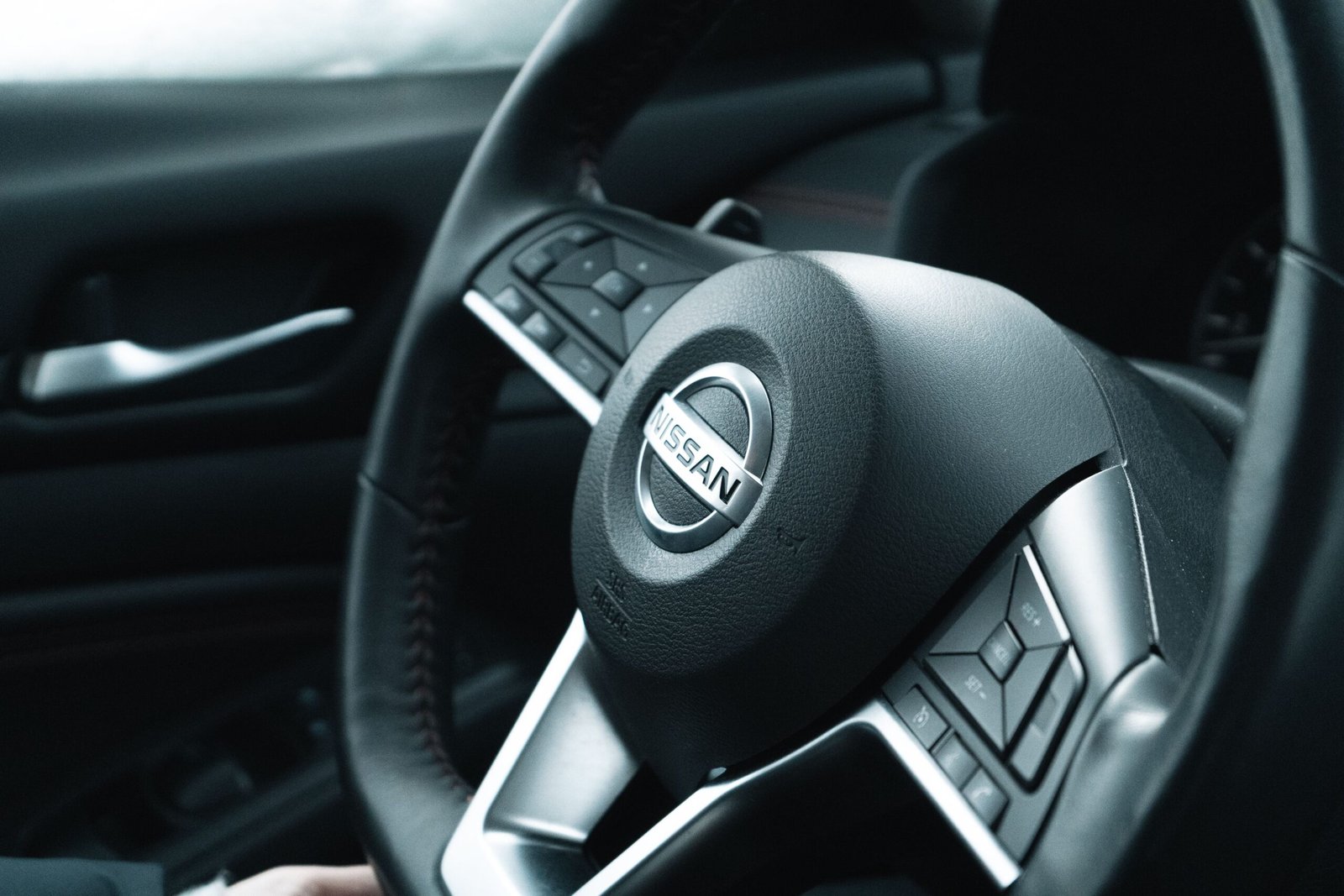
If you are researching the 2024 Nissan Murano, this article will help you understand its design, interior comfort, performance, technology, safety features, fuel economy, and ownership considerations. Whether you are comparing midsize SUVs, searching for a comfortable family vehicle, or considering a used Nissan Murano, understanding what this model offers can help you make a more informed decision. The 2024 Nissan Murano combines a distinctive exterior design with a comfort-oriented cabin, a V6 engine, and a range of driver-assistance technologies, making it a noteworthy option for drivers who value everyday practicality and a relaxed driving experience.


Automotive review • Model year 2024 • Nissan Murano
1. SEO title ideas
Here are ten search-friendly title ideas that incorporate the main keyword, related search phrases, and topics potential buyers may want to explore.
2024 Nissan Murano Review: Features, Performance, Interior, and Price
Keywords: 2024 Nissan Murano review, Nissan Murano features, performance, interior, price
2024 Nissan Murano Specs: Engine, MPG, Dimensions, and Safety
Keywords: 2024 Nissan Murano specs, engine, MPG, dimensions, safety
Is the 2024 Nissan Murano a Good SUV? Complete Buyer’s Guide
Keywords: Is the 2024 Nissan Murano a good SUV, Nissan Murano buyer’s guide
2024 Nissan Murano Interior: Comfort, Technology, and Cargo Space
Keywords: 2024 Nissan Murano interior, comfort, technology, cargo space
2024 Nissan Murano SV vs SL vs Platinum: Trim Comparison
Keywords: 2024 Nissan Murano SV vs SL vs Platinum, trim comparison
2024 Nissan Murano Price: Original MSRP and Used-Car Buying Tips
Keywords: 2024 Nissan Murano price, original MSRP, used Nissan Murano
2024 Nissan Murano AWD Review: All-Wheel Drive and Everyday Driving
Keywords: 2024 Nissan Murano AWD review, all-wheel drive, driving
2024 Nissan Murano Reliability and Maintenance: What Owners Should Know
Keywords: 2024 Nissan Murano reliability, maintenance, ownership
2024 Nissan Murano vs Other Midsize SUVs: Features and Practicality
Keywords: 2024 Nissan Murano vs other midsize SUVs, features, practicality
Used 2024 Nissan Murano Buying Guide: Features, Checks, and Value
Keywords: used 2024 Nissan Murano, buying guide, features, value
Recommended SEO title
2024 Nissan Murano Review: Specs, Price, Interior, MPG, and Features
This title places the exact model keyword near the beginning and includes several related terms that match common informational and buyer-research searches.
2. Keyword research and explanations
The following keyword groups can help organize the article around the different questions readers may have. These are suggested SEO targets, not verified search-volume figures.
Keyword | Search intent and explanation |
|---|---|
2024 Nissan Murano | Primary keyword for people researching the specific model year. |
2024 Nissan Murano review | Readers looking for an overall assessment of the SUV. |
2024 Nissan Murano specs | Readers seeking engine, dimensions, drivetrain, and technical information. |
2024 Nissan Murano price | People comparing original pricing and used-vehicle costs. |
2024 Nissan Murano interior | Searches about seats, cabin design, comfort, and materials. |
2024 Nissan Murano MPG | Fuel-economy research before buying or comparing vehicles. |
2024 Nissan Murano AWD | Buyers interested in the available all-wheel-drive configuration. |
2024 Nissan Murano SV vs SL vs Platinum | Shoppers comparing trim levels and equipment. |
used 2024 Nissan Murano | People searching for a pre-owned example. |
2024 Nissan Murano reliability | Ownership research involving maintenance, service history, and dependability. |
2024 Nissan Murano safety features | Readers researching driver-assistance technology and occupant protection. |
2024 Nissan Murano cargo space | Families and travelers checking luggage capacity and everyday practicality. |
How to use these keywords naturally
Use the primary keyword in the page title, introduction, one major heading, and conclusion where it reads naturally. Include related phrases in relevant sections instead of repeating the same exact phrase in every paragraph. For example, discuss MPG in the fuel-economy section, trim comparisons in the buying guide, and reliability in the ownership section. This creates a useful article that addresses related search intents without making the writing sound repetitive.
3. Full-Length SEO Article
Suggested URL slug: 2024-nissan-murano-review
Meta description: Explore the 2024 Nissan Murano review, including V6 performance, interior comfort, MPG, AWD, safety features, trim levels, pricing, and used-car buying tips.
Introduction: What Makes the 2024 Nissan Murano Worth Exploring?
The 2024 Nissan Murano is a midsize crossover SUV designed for drivers who want a combination of everyday comfort, distinctive styling, useful technology, and practical passenger space. Unlike SUVs that emphasize rugged off-road performance or maximum passenger capacity, the Murano focuses on providing a comfortable driving environment for daily commuting, family transportation, shopping trips, and longer highway journeys. Its flowing exterior design, well-appointed cabin, and standard V6 engine give it a recognizable character within the midsize crossover segment. For anyone considering a used 2024 Nissan Murano, it is important to look beyond the exterior appearance and examine the engine, transmission, available drivetrains, trim-specific equipment, fuel economy, and maintenance history. Understanding these details can help you decide whether this SUV suits your driving habits, budget, and practical requirements.
2024 Nissan Murano Overview

The 2024 Nissan Murano continued the outgoing generation’s design and mechanical formula, offering three principal trim levels: SV, SL, and Platinum. Nissan equipped the model with a 3.5-liter V6 gasoline engine and an Xtronic continuously variable transmission, with front-wheel drive and Intelligent All-Wheel Drive available depending on the configuration. The vehicle seats five people and combines a relatively spacious two-row cabin with a design that emphasizes passenger comfort. Nissan’s original U.S. announcement listed starting MSRPs of $37,920 for the SV with front-wheel drive, $41,880 for the SL with front-wheel drive, and $45,930 for the Platinum with front-wheel drive, before destination and handling charges. The SL also received a powered panoramic moonroof as standard equipment for the 2024 model year.

These characteristics make the 2024 Murano relevant to shoppers who want a conventional gasoline-powered SUV with a V6 engine and a comfort-oriented interior. However, its two-row, five-seat layout means that buyers who regularly transport six or seven passengers should investigate larger three-row alternatives. Similarly, people who prioritize serious off-road capability or maximum towing capacity should compare the Murano’s specifications with vehicles specifically designed for those tasks. A sensible evaluation begins with matching the vehicle’s actual equipment and capabilities to the way it will be used.
Exterior Design and Styling

The exterior of the 2024 Nissan Murano features sculpted body panels, a sloping roofline, a distinctive front fascia, and a flowing profile that gives the SUV a more expressive appearance than a traditional box-shaped utility vehicle. Its proportions are intended to balance the visual presence of a midsize SUV with a smoother, more streamlined silhouette. Depending on the trim and installed equipment, the Murano can have different wheel designs and exterior details, allowing buyers to choose a configuration that suits their preferences. The SV provides a relatively straightforward entry into the lineup, while the SL and Platinum introduce additional upscale details and equipment. Nissan’s original model information also lists available 20-inch wheels and other appearance-related options.
When examining a used 2024 Nissan Murano, exterior condition is worth considering alongside styling. Inspect the paintwork for scratches, mismatched panels, corrosion, and signs of previous collision repairs. Check the windshield, lighting units, wheels, and tires, and look for uneven tire wear that might indicate alignment or suspension concerns. If the SUV has larger wheels, examine the tires carefully for sidewall damage and irregular wear. A vehicle that looks attractive in photographs may still need maintenance, so an in-person inspection and vehicle-history review remain important parts of the buying process.
Engine, Transmission, and Performance

One of the defining mechanical features of the 2024 Nissan Murano is its naturally aspirated 3.5-liter DOHC V6 engine. Nissan lists output at 260 horsepower at 6,000 rpm and 240 lb-ft of torque at 4,400 rpm. The engine is paired with an Xtronic continuously variable transmission, which adjusts its operating ratio rather than shifting through a conventional set of fixed gears. This combination is intended to provide smooth, consistent acceleration for everyday driving. The Murano is not marketed as a high-performance sports SUV, but its V6 powertrain provides a different driving proposition from smaller-engine crossovers that rely on turbocharged four-cylinder engines.
For normal commuting, merging onto highways, and carrying passengers, engine output is only one part of the driving experience. Transmission response, accelerator calibration, road noise, visibility, suspension behavior, and braking feel also influence how comfortable a vehicle is to drive. The continuously variable transmission is designed for smooth operation, although some drivers may prefer the shifting sensation of a traditional automatic transmission. A test drive should therefore include slow urban traffic, moderate acceleration, highway cruising, and a few turns on familiar roads. Pay attention to unusual noises, hesitation, vibration, warning lights, or inconsistent power delivery, particularly when evaluating a used vehicle with an unknown service history.
Fuel Economy and Everyday Running Costs
Fuel economy is an important consideration for anyone comparing a gasoline-powered midsize SUV. The 2024 Nissan Murano’s published EPA estimates are 20 mpg in city driving and 28 mpg on the highway for front-wheel-drive configurations, with a combined estimate of 23 mpg. All-wheel-drive versions are commonly listed at 20 mpg city, 28 mpg highway, and 23 mpg combined in the available specifications, though buyers should confirm the rating for the exact vehicle and equipment. These figures are estimates under standardized testing conditions rather than a promise of the mileage every driver will achieve. Actual consumption can change with traffic, driving speed, weather, tire pressure, passenger load, and maintenance condition.
When estimating ownership costs, it helps to consider more than the advertised fuel-economy rating. A realistic budget should include fuel, scheduled servicing, tires, brakes, insurance, registration, and any repairs that may be needed as the vehicle ages. Buyers shopping in different countries should also account for local fuel prices, taxes, parts availability, and service-labor costs. Before purchasing a used Murano, review available maintenance records and check whether routine servicing has been completed according to the manufacturer’s recommendations. Comparing the expected annual mileage with local fuel prices can provide a more useful cost estimate than relying on the MPG figure alone.
Interior Comfort, Seating, and Cabin Design

The cabin is a major part of the Murano’s identity. Nissan designed the interior around a welcoming, passenger-focused layout, with comfortable seating, a relatively low instrument-panel design, and materials that vary according to trim. The five-seat configuration provides two rows of seating, making the vehicle suitable for households that do not need a third row. Higher trims add more premium touches, including leather-appointed seating and additional convenience features. On the Platinum, Nissan offered semi-aniline leather-appointed seats with diamond-quilted inserts and matte wood-look interior trim, creating a more upscale atmosphere than the entry-level configuration.
For buyers, cabin comfort is best assessed in person rather than from photographs alone. Check whether the driver’s seat offers the adjustment range you need, whether the steering wheel position feels natural, and whether the front and rear seats provide suitable support for longer trips. Rear passengers should test the available legroom and headroom, especially if adults will regularly sit in the back. It is also useful to examine storage spaces, cupholders, door pockets, climate controls, and the visibility of the instruments. These everyday details can have a greater effect on satisfaction than a long list of features that may rarely be used.
Technology, Infotainment, and Convenience Features

The 2024 Nissan Murano includes technology and convenience equipment intended to make everyday journeys easier. Features and availability vary by trim, so shoppers should verify the equipment fitted to the individual vehicle rather than assuming every Murano has the same configuration. Higher-specification models offer additional comfort and convenience features, and the Platinum trim includes further upscale equipment. Nissan also offered a Bose Premium Audio System with 11 speakers among the Murano’s available features. These options can matter to drivers who spend considerable time commuting or taking longer trips, but the value of each feature depends on personal preferences and how frequently it will be used.
When inspecting a used SUV, test the infotainment display, audio system, steering-wheel controls, climate-control functions, cameras, parking sensors, and any available connectivity features. Check that the screen responds properly and that the controls are not damaged or intermittently unresponsive. If the vehicle includes navigation or connected services, confirm which functions are available and whether any subscription or activation requirements apply. A thorough inspection of the electronics can help identify issues that may not be obvious during a brief walk-around.
Safety Features and Driver Assistance
Safety equipment is another important element of the 2024 Nissan Murano. Nissan’s Safety Shield 360 suite includes Automatic Emergency Braking with Pedestrian Detection, Blind Spot Warning, Rear Cross Traffic Alert, Lane Departure Warning, High Beam Assist, and Rear Automatic Braking. Nissan also highlighted Intelligent Forward Collision Warning and an available Intelligent Around View Monitor in its original model announcement. These systems are designed to support the driver by providing alerts or assistance in certain situations; they do not replace attentive driving or remove the need to check surroundings directly.
Used-car shoppers should verify that safety systems are functioning correctly and that no warning lights remain illuminated. Inspect the windshield and bumpers for damage that could affect cameras or sensors, and ask whether any collision repairs or sensor calibrations have been performed. It is also sensible to check the vehicle identification number against official recall information for the relevant market and confirm whether outstanding recall work has been completed. Safety equipment can differ by trim, market, and installed options, so the original build information and vehicle documentation are useful references.
2024 Nissan Murano Trim Levels: SV vs SL vs Platinum


The 2024 Nissan Murano lineup consists of the SV, SL, and Platinum trims, with front-wheel drive and available Intelligent All-Wheel Drive configurations. Each trim offers the same basic V6 powertrain, but the equipment, interior appointments, and convenience features differ. Choosing between them is therefore less about engine performance and more about deciding which combination of comfort, technology, appearance, and purchase cost best fits your needs. Nissan’s original U.S. pricing announcement provides a useful reference for comparing the trims at launch.
Trim | Notable characteristics |
|---|---|
SV | Entry trim with the 3.5-liter V6, core safety technology, and 18-inch wheels. |
SL | Adds premium features, leather-appointed seats, 20-inch wheels, and a standard powered panoramic moonroof for 2024. |
Platinum | The range-topping trim, with additional upscale appointments including semi-aniline leather-appointed seating and distinctive interior trim. |
Equipment may vary by market and installed options. Confirm the exact specification of the vehicle being considered.
2024 Nissan Murano SV
The SV is the entry point into the main 2024 Murano lineup. It provides the core vehicle package, including the 3.5-liter V6 engine and standard driver-assistance features. For a buyer who mainly needs comfortable transportation and does not place a high priority on the additional luxury appointments of the upper trims, the SV may offer an appropriate equipment balance. It is still important to compare individual vehicles because optional packages and dealer-installed accessories can change the equipment of a particular example.
2024 Nissan Murano SL
The SL adds a number of features intended to create a more premium driving environment. Nissan made the powered panoramic moonroof standard on the 2024 SL, and the trim includes features such as leather-appointed seats and 20-inch wheels in the U.S. specification. Buyers considering the SL should test its additional equipment directly and decide whether those features justify any price difference over an SV with similar mileage and condition.
2024 Nissan Murano Platinum
The Platinum sits at the top of the lineup and emphasizes upscale cabin appointments. Nissan lists semi-aniline leather-appointed seats with diamond-quilted inserts, matte wood-look interior trim, and other premium details among the available Murano features. The Platinum may appeal to shoppers who prioritize interior presentation and additional equipment, but the condition of a used example remains just as important as its original trim designation. A well-maintained lower trim can be a more suitable purchase for some buyers than a neglected higher trim.
Dimensions, Passenger Space, and Cargo Practicality
The 2024 Nissan Murano is a two-row SUV with seating for five, and its layout is designed to balance passenger accommodation with everyday cargo usefulness. Published specifications list a length of approximately 192.8 inches, a width of 75.4 inches excluding mirrors, a height of 67.8 inches, and a wheelbase of 111.2 inches. Cargo capacity is listed at approximately 31.1 cubic feet behind the rear seats in the specifications provided by Edmunds. The rear seats can fold to create additional room for luggage and larger items, helping the Murano accommodate a range of everyday transportation needs.
For families, these dimensions should be considered alongside the shape of the cargo area, the height of the load floor, and the amount of room needed for child seats, strollers, groceries, or travel bags. If you regularly carry bulky equipment, bring the actual items along for a test fit whenever possible. The Murano’s five-seat arrangement is useful for many households, but it is not a substitute for a three-row SUV when additional passenger capacity is essential. Comparing real-world loading needs with the available cargo area is a practical way to determine whether the vehicle fits your lifestyle.
Front-Wheel Drive vs Intelligent All-Wheel Drive
The 2024 Murano was offered with front-wheel drive as well as available Intelligent All-Wheel Drive. Front-wheel drive may suit drivers whose regular routes are mainly paved roads and who do not frequently encounter challenging weather conditions. All-wheel drive can be relevant for drivers who regularly travel on slippery surfaces or want additional traction support in certain driving situations. However, all-wheel drive does not eliminate the need for appropriate tires, cautious speed, or safe driving practices, and it should not be confused with a dedicated off-road system.
When comparing used examples, confirm the drivetrain from the vehicle’s documentation and check that it operates as intended. Consider the local climate, road conditions, and your typical travel routes when deciding whether AWD is useful for your needs. It is also worth checking tire condition and ensuring that the tires are suitable for the conditions in which you expect to drive. A drivetrain choice should reflect the actual environment and use case rather than simply being treated as a feature that every buyer must have.
2024 Nissan Murano Price and Used-Car Value
Nissan’s original U.S. announcement listed the following starting MSRPs for the 2024 Murano, excluding applicable taxes, title, license fees, and destination charges. These are historical launch prices, not current used-car asking prices.
Trim | FWD starting MSRP | AWD starting MSRP |
|---|---|---|
SV | $37,920 | $39,620 |
SL | $41,880 | $43,580 |
Platinum | $45,930 | $47,630 |
Source: Nissan’s August 30, 2023 pricing announcement. Destination and handling was listed separately at $1,335.
The current value of a used 2024 Nissan Murano depends on factors such as mileage, condition, trim, drivetrain, service records, accident history, location, and market demand. Original MSRP can provide context, but it should not be used as a substitute for current local comparisons. When evaluating a vehicle, compare several examples with similar specifications and mileage, and account for any upcoming maintenance or repairs. A lower asking price may not represent a lower overall cost if the vehicle needs tires, brakes, suspension work, or other service soon after purchase.
For international buyers, especially those shopping outside the United States, the final cost can be affected by import duties, taxes, shipping, registration rules, and the availability of parts and qualified service facilities. Confirm that the exact vehicle specification is compatible with local requirements and that maintenance support is accessible before committing to a purchase.
Reliability, Maintenance, and Ownership Considerations
Reliability should be evaluated using evidence about the individual vehicle rather than assumptions based only on its model name. A used 2024 Nissan Murano may have experienced different driving conditions, service schedules, and levels of care depending on its previous owner. Before buying, request maintenance records, check for outstanding recalls, review any available vehicle-history report, and arrange an independent mechanical inspection. The inspection should cover the engine, transmission, brakes, suspension, tires, cooling system, electrical equipment, and visible signs of leaks or collision repairs.
The Murano’s V6 engine and CVT also make it important to pay attention to how the vehicle behaves during a test drive. Listen for unusual noises, observe whether acceleration feels consistent, and check for warning lights or fluid leaks. These checks do not establish long-term reliability by themselves, but they can help identify reasons to investigate further before purchasing. Ask a qualified technician to evaluate any concerns and verify the recommended maintenance schedule for the exact vehicle and market. A complete service history and a satisfactory independent inspection provide more useful purchase information than a broad reliability claim unsupported by evidence about the specific car.
2024 Nissan Murano vs Other Midsize SUVs
The midsize SUV market includes vehicles with different priorities, from two-row comfort-oriented crossovers to three-row family models and SUVs with more pronounced off-road capabilities. The 2024 Nissan Murano’s defining combination is its five-seat layout, 3.5-liter V6 engine, CVT, available AWD, and emphasis on cabin comfort. When comparing it with another SUV, use the same categories for each vehicle: passenger capacity, engine and transmission, fuel economy, cargo space, safety equipment, infotainment, purchase price, warranty coverage, and expected maintenance needs. This creates a more meaningful comparison than relying on brand reputation or appearance alone.
A useful comparison should also account for the exact model year and trim of the competing vehicle. Equipment can change substantially between trims, and a feature offered as standard on one SUV may be optional or unavailable on another. Buyers who need a third row should focus on vehicles with the appropriate seating capacity, while those who want a particular engine type or drivetrain should compare the specifications directly. Taking test drives in the vehicles on your shortlist can help establish which seating position, visibility, ride behavior, and control layout you prefer.
Used 2024 Nissan Murano Buying Checklist
Before purchasing a used Murano, work through the following checks and keep a record of anything that needs further investigation.
Pre-purchase checklist
Who Should Consider the 2024 Nissan Murano?
The 2024 Nissan Murano may be worth considering for drivers who want a five-seat crossover with a V6 engine, a comfort-focused cabin, and available all-wheel drive. It can be relevant to commuters, couples, and families who need two rows of seating and a useful cargo area without requiring the additional passenger capacity of a three-row vehicle. Buyers who value upscale interior details may want to compare the SL and Platinum trims, while those who prefer a simpler equipment package may begin their search with the SV.
It may be less suitable for shoppers whose main priorities are seating for seven or eight, specialized off-road capability, or a particular type of fuel-efficient powertrain that the 2024 model does not offer. The best way to assess its suitability is to compare its documented specifications with your actual needs, examine the condition of the specific vehicle, and test-drive it alongside relevant alternatives. That approach keeps the decision grounded in practical requirements rather than general impressions.
4. Frequently Asked Questions About the 2024 Nissan Murano
1. Is the 2024 Nissan Murano a good SUV?
The 2024 Nissan Murano is worth considering for drivers who want a comfortable five-seat crossover with a V6 engine, available AWD, and a range of convenience and safety features. Whether it is a suitable choice depends on your budget, driving requirements, preferred equipment, and the condition of the vehicle you are considering.
2. What engine does the 2024 Nissan Murano have?
Every 2024 Nissan Murano is equipped with a 3.5-liter DOHC V6 gasoline engine producing 260 horsepower and 240 lb-ft of torque. It is paired with an Xtronic continuously variable transmission.
3. How many miles per gallon does the 2024 Nissan Murano get?
The published EPA estimates are 20 mpg city, 28 mpg highway, and 23 mpg combined for front-wheel-drive models. Confirm the rating for the exact vehicle configuration, and remember that actual fuel consumption varies with driving conditions.
4. Does the 2024 Nissan Murano come with AWD?
Yes. Intelligent All-Wheel Drive was available on the 2024 Murano. Front-wheel drive was also offered, so check the vehicle’s specifications before buying.
5. How many people can the 2024 Nissan Murano seat?
The 2024 Nissan Murano seats five people across two rows. It does not have a third row, so shoppers who need more passenger capacity should compare three-row SUVs.
6. What are the 2024 Nissan Murano trim levels?
The principal U.S. trim levels are SV, SL, and Platinum. Their equipment and interior appointments differ, with the Platinum positioned as the range-topping version.
7. What was the original price of the 2024 Nissan Murano?
Nissan’s original U.S. starting MSRP ranged from $37,920 for the SV FWD to $45,930 for the Platinum FWD, before destination and handling charges. These are launch prices, not current used-car valuations.
8. Is the 2024 Nissan Murano suitable for families?
It may suit families who need two rows of seating, room for five occupants, and cargo space for everyday activities. Families requiring a third row or regularly carrying more than five people should consider vehicles with greater seating capacity.
9. What safety features does the 2024 Nissan Murano offer?
Nissan Safety Shield 360 includes features such as Automatic Emergency Braking with Pedestrian Detection, Blind Spot Warning, Rear Cross Traffic Alert, Lane Departure Warning, High Beam Assist, and Rear Automatic Braking. Equipment and availability should be verified for the specific vehicle.
10. What should I check before buying a used 2024 Nissan Murano?
Review its service history, vehicle identification number, recall status, accident history, tire condition, engine and transmission operation, and electronic features. An independent inspection by a qualified mechanic can help identify issues before you purchase the vehicle.
5. Conclusion: Is the 2024 Nissan Murano Worth Considering?
The 2024 Nissan Murano offers a combination of distinctive styling, a 260-horsepower V6 engine, a comfort-focused five-seat interior, available Intelligent All-Wheel Drive, and a selection of driver-assistance and convenience technologies. Its SV, SL, and Platinum trims give shoppers different equipment configurations to consider, while the two-row layout makes it particularly relevant to people who do not need a third row. At the same time, buyers should consider fuel consumption, cargo requirements, local ownership costs, and the availability of suitable maintenance support when comparing it with other midsize SUVs.
For anyone shopping for a used 2024 Nissan Murano, the condition and history of the individual vehicle are especially important. Reviewing service documentation, checking for recalls, conducting a thorough test drive, and arranging an independent inspection can help you understand what you are purchasing. By comparing the vehicle’s specifications, equipment, and asking price with your own requirements, you can make a more informed decision about whether the 2024 Nissan Murano belongs on your shortlist.
6. Additional SEO keywords and related search phrases
These related phrases can be incorporated naturally into image alt text, subheadings, internal links, and supporting articles.



- gaming4 months ago
UFC 5 Controls: Complete Beginner and Advanced Guide (PS5 & Xbox)
- Tech4 months ago
Aura Wallpaper: The Ultimate Guide to Beautiful Backgrounds for Every Device (2026)
- gaming4 months ago
r2rtrust.foullrop85j.08.47h Gaming: The Complete Guide for Every Gamer
- Entertainment4 months ago
Figure Skating Milano Cortina 2026: Complete Guide to the Olympic Competition
- NEWS3 months ago
Crypto Batter.com – Your Trusted Source for Cryptocurrency News, Market Trends, and Blockchain Insights
- Tech4 months ago
YouTube to MP3: The Complete Guide to Safe and High-Quality Audio Conversion
- Entertainment4 months ago
Flix HQ: Everything You Need to Know About the Popular Streaming Platform
- Tech4 months ago
Jack Swinney OneStaff Medical Email: How to Find the Right Contact Information