
food
Pecorino Cheese: Everything You Need to Know About Italy’s Famous Cheese

Published
4 months agoon

Table of Contents
TogglePecorino cheese is one of Italy’s oldest and most celebrated cheeses, known for its rich flavor, firm texture, and remarkable versatility in cooking. Made entirely from sheep’s milk,Pecorino has been produced for thousands of years and continues to play a central role in Italian cuisine. Whether grated over pasta, served on a cheese board, or paired with fruit and wine, Pecorino offers a distinctive taste that sets it apart from other cheeses. From the famous Pecorino Romano to regional varieties such as Pecorino Toscano and Pecorino Sardo, each type brings unique flavors and traditions to the table. This comprehensive guide explores everything you need to know about Pecorino cheese, including its history, production methods, varieties, nutritional value, health benefits, culinary uses, storage tips, and buying advice.
What Is Pecorino Cheese?
Pecorino is a traditional Italian cheese made exclusively from sheep’s milk. The name comes from the Italian word pecora, meaning sheep. Unlike many cheeses produced from cow’s milk, Pecorino has a naturally richer, saltier, and tangier flavor due to the higher fat and protein content of sheep’s milk. Depending on the aging process, the cheese can range from soft and creamy to hard and crumbly. Fresh Pecorino offers a mild, buttery taste, while aged versions develop a stronger, sharper flavor that makes them ideal for grating over pasta and soups. The production of Pecorino follows centuries-old traditions that preserve its authentic taste and quality, making it one of Italy’s most respected cheeses.
History of Pecorino Cheese
The history of Pecorino dates back more than 2,000 years to ancient Rome, where it was considered an essential part of soldiers’ daily rations because of its long shelf life and high nutritional value. Shepherds traveling through the Italian countryside produced the cheese using fresh sheep’s milk and natural rennet, creating a durable food that could withstand long journeys. Over time, different Italian regions developed their own versions of Pecorino, each reflecting local climates, grazing conditions, and traditional production methods. Today, many varieties carry protected status, ensuring they are produced according to strict regional standards that preserve their authenticity.
Types of Pecorino Cheese
Several varieties of Pecorino are produced throughout Italy, each with distinctive characteristics. Pecorino Romano is the best-known variety and is famous for its bold, salty flavor that makes it perfect for classic pasta dishes such as Cacio e Pepe and Carbonara. Pecorino Toscano has a milder, creamier taste and is often enjoyed on cheese boards or in sandwiches. Pecorino Sardo comes from Sardinia and offers a balanced flavor suitable for both cooking and snacking. Pecorino Siciliano is one of the oldest varieties and features a robust, slightly spicy taste developed through traditional aging methods. These regional differences allow cheese lovers to choose a Pecorino that suits their personal preferences and cooking needs.
How Pecorino Cheese Is Made
The production process begins with fresh sheep’s milk, which is heated and combined with natural rennet to form curds. The curds are cut, drained, and pressed into molds before being salted and aged. The aging period varies from a few weeks for younger cheeses to more than a year for mature varieties. During maturation, the cheese develops its signature texture, aroma, and flavor intensity. Environmental conditions, aging techniques, and regional traditions all contribute to the final characteristics of each Pecorino variety.
Pecorino Cheese Nutrition
Pecorino is rich in high-quality protein, calcium, phosphorus, zinc, and vitamins A and B12. It also contains healthy fats that provide sustained energy. Because it is made from sheep’s milk, Pecorino generally contains higher concentrations of nutrients than many cow’s milk cheeses. Although it is relatively high in sodium and saturated fat, moderate consumption can fit into a balanced diet. Its impressive nutritional profile makes it a valuable addition for people seeking protein-rich foods that also support bone health.
Health Benefits of Pecorino Cheese
Pecorino provides calcium and phosphorus that help maintain strong bones and teeth. The protein content supports muscle growth and repair, while vitamin B12 contributes to healthy nerve function and red blood cell production. Beneficial fatty acids found in sheep’s milk may support overall wellness, and the cheese’s naturally low lactose content compared with fresh dairy products makes it easier for some people to digest. Like any aged cheese, it should be enjoyed in moderation due to its sodium content.
Pecorino vs Parmesan
Although Pecorino and Parmesan are often compared, they differ significantly in milk source, flavor, texture, and culinary use. Pecorino is made from sheep’s milk and has a sharper, saltier flavor with a firmer texture. Parmesan is produced from cow’s milk and typically offers a nuttier, milder taste. Pecorino excels in bold pasta dishes where a pronounced cheese flavor is desired, while Parmesan is more versatile for salads, soups, risottos, and baked dishes. Understanding these differences helps cooks choose the best cheese for each recipe.
Cooking with Pecorino Cheese
Pecorino is an exceptionally versatile ingredient. It can be grated over pasta, risotto, roasted vegetables, pizza, and soups or shaved onto salads for extra flavor. It also pairs beautifully with honey, figs, pears, walnuts, olives, cured meats, and artisan bread. Young Pecorino melts well in sandwiches and baked dishes, while aged Pecorino is prized as a finishing cheese. Its bold taste means even a small amount can dramatically enhance a meal.
How to Store Pecorino Cheese
Proper storage helps preserve Pecorino’s flavor and texture. Wrap it in cheese paper or wax paper before placing it in a loosely sealed container in the refrigerator. Avoid airtight plastic wrapping for long periods because it can trap moisture and affect quality. Stored correctly, hard Pecorino can remain fresh for several weeks. If mold appears on a hard wedge, trim away the affected area generously and the remaining cheese is often still usable.
Buying the Best Pecorino Cheese
When purchasing Pecorino, look for authentic Italian labels and protected regional certifications that guarantee traditional production methods. A quality cheese should have a pleasant aroma, firm texture, and natural rind. Specialty cheese shops often provide fresher and more authentic selections than general supermarkets. Consider the intended use when choosing between young, semi-aged, or fully aged varieties.
Conclusion
Pecorino cheese represents centuries of Italian craftsmanship and culinary tradition. Its distinctive flavor, excellent nutritional value, and versatility make it a favorite among chefs and home cooks alike. Whether you enjoy the bold intensity of Pecorino Romano, the smooth character of Pecorino Toscano, or another regional variety, this remarkable sheep’s milk cheese adds depth and authenticity to countless dishes. By understanding its history, production, nutritional benefits, and best culinary applications, you can confidently select and enjoy the perfect Pecorino for any occasion.
Frequently Asked Questions (FAQ)
What is Pecorino cheese made from?
Pecorino cheese is made entirely from sheep’s milk.
Is Pecorino stronger than Parmesan?
Yes. Pecorino generally has a saltier, sharper, and more intense flavor than Parmesan.
Can Pecorino replace Parmesan?
Yes. Pecorino is an excellent substitute, especially in traditional Italian pasta dishes where a bolder flavor is preferred.
Is Pecorino healthy?
Pecorino is a good source of protein, calcium, phosphorus, and vitamin B12. It can be part of a balanced diet when eaten in moderation.
What dishes use Pecorino cheese?
Pecorino is commonly used in pasta, risotto, soups, salads, roasted vegetables, pizzas, and cheese boards.
How long does Pecorino cheese last?
When properly wrapped and refrigerated, hard Pecorino typically keeps for several weeks, and sometimes longer depending on its age and storage conditions.
Which Pecorino is best?
The best variety depends on your needs. Pecorino Romano is ideal for grating over pasta, Pecorino Toscano is excellent for snacking and cheese boards, and Pecorino Sardo works well for both cooking and serving on its own.
You may like
food
Persimmon Kaki Fruit: Health Benefits, Nutrition, Uses, and Growing Guide
Published
4 months agoon
July 10, 2026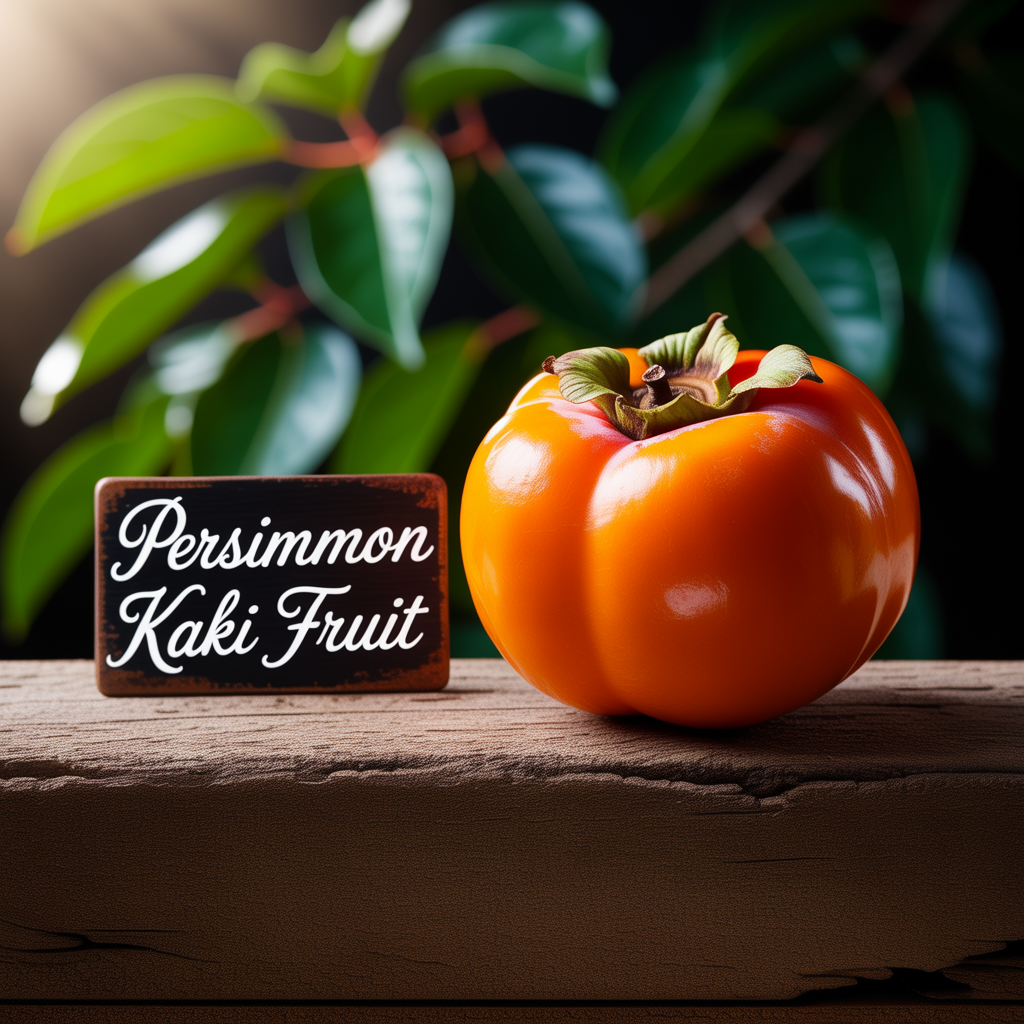
Table of Contents
Toggle
Persimmon kaki fruit is one of the sweetest and most nutritious fruits enjoyed around the world. Known simply as kaki in many countries, this vibrant orange fruit comes from the Japanese persimmon tree (Diospyros kaki). Its naturally sweet flavor, smooth texture, and impressive nutritional profile make it a favorite among fruit lovers and health-conscious consumers alike. Whether eaten fresh, dried, or added to desserts and salads, persimmon kaki fruit offers remarkable versatility while providing vitamins, minerals, fiber, and antioxidants that support overall well-being. As more people seek natural superfoods, persimmon kaki fruit continues to grow in popularity thanks to its delicious taste and numerous health benefits.
What Is Persimmon Kaki Fruit?
Persimmon kaki fruit is the edible fruit of the Japanese persimmon tree, a species cultivated for centuries throughout East Asia and now grown in many parts of the world. The fruit typically ranges from bright yellow-orange to deep reddish-orange when ripe. Depending on the variety, persimmons may be firm and crisp or soft and jelly-like. Popular varieties include Fuyu, which can be eaten while firm, and Hachiya, which should only be consumed once fully ripe because of its high tannin content. The fruit’s honey-like sweetness and smooth texture make it suitable for fresh eating, baking, smoothies, salads, and preserves.
Unlike many fruits, persimmons contain a unique balance of dietary fiber, natural sugars, vitamins, and plant compounds that contribute to their reputation as a nutrient-rich food. Their naturally attractive appearance also makes them a favorite ingredient in festive dishes and fruit platters.
Persimmon Kaki Fruit Nutrition
Persimmon kaki fruit provides excellent nutrition while remaining relatively low in calories. A typical serving contains dietary fiber that supports healthy digestion and helps maintain feelings of fullness. The fruit is especially rich in vitamin A, vitamin C, manganese, potassium, and several B vitamins. It also supplies antioxidants such as beta-carotene, lutein, zeaxanthin, and flavonoids, which help protect cells from oxidative stress.
The combination of nutrients found in persimmons supports healthy skin, eyesight, immune function, and cardiovascular health. Because the fruit is naturally sweet without added sugars, it can be a healthier alternative to processed desserts when enjoyed in moderation.
Health Benefits of Persimmon Kaki Fruit
Persimmon kaki fruit offers a wide range of health benefits thanks to its rich nutrient content. One of its greatest strengths is its high antioxidant concentration, which helps neutralize free radicals and may reduce long-term cellular damage. Antioxidants also support healthy aging and contribute to overall wellness.
The dietary fiber found in persimmons promotes healthy digestion by supporting regular bowel movements and nourishing beneficial gut bacteria. Fiber may also help regulate cholesterol levels and stabilize blood sugar when consumed as part of a balanced diet.
Vitamin A plays a critical role in maintaining healthy vision, while vitamin C strengthens the immune system and supports collagen production for healthy skin. Potassium contributes to normal muscle function and helps maintain healthy blood pressure. Together, these nutrients make persimmon kaki fruit an excellent addition to a balanced eating plan.
How to Eat Persimmon Kaki Fruit
One of the best features of persimmon kaki fruit is its versatility. Fuyu persimmons can be sliced and eaten like apples while still firm, making them perfect for snacks, salads, and sandwiches. Hachiya persimmons should be allowed to soften completely before eating because their tannins decrease as they ripen, resulting in a rich, custard-like texture.
Persimmons can also be blended into smoothies, baked into cakes, muffins, breads, and cookies, or turned into jams, sauces, and chutneys. Many people enjoy adding sliced persimmons to yogurt, oatmeal, cereal, or fruit bowls for extra sweetness and nutrition. Dried persimmons are another popular option and make an excellent naturally sweet snack.
Culinary Uses
Chefs around the world appreciate persimmon kaki fruit for its delicate sweetness and vibrant color. Fresh slices complement leafy green salads, cheese boards, nuts, and cured meats. The fruit pairs exceptionally well with cinnamon, ginger, vanilla, honey, walnuts, pecans, and citrus fruits.
Persimmons can also be roasted, grilled, or poached to create elegant desserts. Their natural sweetness reduces the need for added sugar in recipes, making them a healthier ingredient for baking and cooking.
How to Select and Store Persimmons
Choosing quality persimmons depends on the variety. Fuyu persimmons should feel firm with smooth, brightly colored skin. Hachiya persimmons should be left to ripen until they become extremely soft before eating.
Store firm persimmons at room temperature until ripe. Once ripe, refrigerate them and consume within several days. Cut fruit should be refrigerated in an airtight container. Persimmons can also be frozen for future use in smoothies and baked goods.
Growing Persimmon Kaki Trees
Persimmon trees thrive in regions with warm summers and mild winters. They prefer well-drained soil and full sunlight to produce abundant fruit. Once established, the trees are relatively drought tolerant and require moderate maintenance. Home gardeners appreciate persimmon trees because they are attractive, productive, and can bear fruit for many years with proper care.
Regular watering during dry periods, seasonal pruning, and balanced fertilization encourage healthy growth and maximize fruit production. Depending on the variety and growing conditions, trees generally begin producing fruit within a few years after planting.
Are There Any Side Effects?
Persimmon kaki fruit is safe for most people when consumed as part of a balanced diet. Because it contains natural sugars and fiber, eating very large amounts at once may cause digestive discomfort in some individuals. People managing diabetes can still enjoy persimmons but should monitor portion sizes as part of their overall carbohydrate intake. Those with specific dietary restrictions or medical conditions should consult a healthcare professional for personalized advice.
Conclusion
Persimmon kaki fruit is a delicious, colorful, and highly nutritious fruit that deserves a place in a healthy diet. Rich in vitamins, minerals, fiber, and antioxidants, it supports digestive health, immune function, heart health, and overall wellness while offering exceptional culinary versatility. Whether enjoyed fresh, dried, baked, or blended into recipes, persimmon kaki fruit provides both outstanding flavor and valuable nutrition. Adding this remarkable fruit to your meals is a simple way to enjoy a naturally sweet treat while benefiting from its many health-promoting properties.
Frequently Asked Questions (FAQ)
1. What is persimmon kaki fruit?
Persimmon kaki fruit is the edible fruit of the Japanese persimmon tree (Diospyros kaki), known for its sweet taste, bright orange color, and rich nutritional value.
2. Is persimmon kaki fruit healthy?
Yes. It is rich in fiber, vitamins A and C, potassium, manganese, and antioxidants that support overall health.
3. Can you eat persimmon skin?
Yes. The skin of most persimmons is edible, provided it is washed thoroughly before eating.
4. What does persimmon kaki fruit taste like?
When ripe, persimmon kaki fruit has a sweet flavor similar to honey, apricot, and pumpkin, with a smooth texture.
5. What is the difference between Fuyu and Hachiya persimmons?
Fuyu persimmons can be eaten while firm and crisp, whereas Hachiya persimmons should only be eaten when fully soft and ripe.
6. Is persimmon good for weight loss?
Its fiber content promotes fullness, making it a satisfying snack that can support a balanced weight-management plan.
7. How should persimmons be stored?
Keep unripe persimmons at room temperature until they ripen. Refrigerate ripe fruit and consume within a few days.
8. Can persimmon be used in cooking?
Yes. Persimmons are excellent in salads, smoothies, baked goods, jams, desserts, sauces, and dried fruit recipes.
9. Are persimmons high in sugar?
They contain natural fruit sugars but also provide fiber, vitamins, and antioxidants, making them a nutritious choice when eaten in moderation.
10. Can I grow a persimmon tree at home?
Yes. Persimmon trees grow well in sunny locations with well-drained soil and can produce fruit for many years with proper care.
food
Screwdriver Drink Recipe: How to Make the Perfect Classic Cocktail
Published
4 months agoon
July 10, 2026
Table of Contents
Toggle
The Screwdriver drink is one of the world’s most recognizable cocktails because it combines simplicity, refreshing flavor, and timeless appeal. Made with just vodka and orange juice, this classic beverage has remained a favorite for decades among cocktail lovers and casual drinkers alike. Whether you’re hosting a brunch, relaxing on a warm afternoon, or preparing drinks for friends, the Screwdriver cocktail is an excellent choice because it requires minimal ingredients while delivering a bright, citrus-forward taste that suits almost every occasion. Its balance of sweet orange juice and smooth vodka creates a refreshing cocktail that is easy for beginners to prepare yet enjoyable enough for experienced cocktail enthusiasts. In this guide, you’ll learn everything about the Screwdriver drink, including its history, ingredients, preparation, variations, serving suggestions, and tips for making the perfect glass every time.
What Is a Screwdriver Drink?
A Screwdriver drink is a classic cocktail made by mixing vodka with fresh orange juice. Although it is incredibly simple, the quality of the ingredients determines the final flavor. Freshly squeezed orange juice provides natural sweetness and vibrant citrus notes, while premium vodka contributes a clean finish without overpowering the fruit.
The drink is commonly served over ice in a highball glass and garnished with an orange slice. Because it contains only two main ingredients, it is considered one of the easiest cocktails to prepare, making it popular for beginners and professional bartenders alike.
History of the Screwdriver Drink
The origins of the Screwdriver cocktail date back to the mid-20th century. According to the most widely shared story, American oil workers stationed overseas mixed vodka into cans of orange juice and stirred the drink with the only tool they had available—a screwdriver. This practical solution reportedly inspired the cocktail’s memorable name.
As vodka gained popularity worldwide during the 1950s and 1960s, the Screwdriver became a staple in bars, restaurants, and homes. Today, it remains one of the most ordered vodka cocktails due to its refreshing taste and straightforward preparation.
Screwdriver Drink Ingredients
Making a classic Screwdriver requires only a few ingredients, but selecting high-quality products makes a noticeable difference.
Ingredients
- 2 ounces vodka
- 4–6 ounces fresh orange juice
- Ice cubes
- Orange slice for garnish (optional)
Freshly squeezed orange juice provides a brighter flavor and natural sweetness than many packaged juices. A smooth vodka helps maintain the drink’s clean and refreshing character.
How to Make a Screwdriver Drink
Preparing this cocktail takes only a few minutes.
- Fill a highball glass with ice.
- Pour the vodka over the ice.
- Add chilled orange juice.
- Stir gently until combined.
- Garnish with an orange slice if desired.
- Serve immediately.
The result is a crisp and refreshing cocktail that’s perfect for brunches, parties, or casual evenings.
Tips for Making the Best Screwdriver Drink
The quality of your ingredients plays the biggest role in creating an outstanding Screwdriver. Fresh oranges produce a sweeter and more aromatic juice, while keeping both the vodka and juice chilled helps preserve the drink’s refreshing character without excessive dilution. Large ice cubes melt more slowly, maintaining the flavor for longer. Adjusting the ratio of vodka to orange juice allows you to customize the cocktail according to your preference, whether you enjoy a lighter citrus-forward beverage or a stronger vodka flavor. Serving the drink immediately after mixing ensures the freshest taste.
Popular Screwdriver Variations
The Screwdriver serves as the foundation for several well-known cocktails.
Harvey Wallbanger
Adds Galliano liqueur for vanilla and herbal notes.
Fuzzy Screwdriver
Includes peach schnapps for fruity sweetness.
Sonic Screwdriver
Combines vodka, orange juice, and blue curaçao for a colorful twist.
Tropical Screwdriver
Adds pineapple juice for a tropical flavor.
Sparkling Screwdriver
Tops the cocktail with sparkling water or lemon-lime soda for extra fizz.
Best Food Pairings
The Screwdriver pairs well with a variety of foods because its citrus flavor complements both sweet and savory dishes. Popular pairings include scrambled eggs, bacon, pancakes, waffles, grilled chicken, shrimp, fresh salads, seafood, fruit platters, cheeses, pastries, and light sandwiches. These combinations make it a favorite choice for brunch menus and summer gatherings.
Why the Screwdriver Drink Remains Popular
The Screwdriver has maintained its popularity because it is easy to prepare, requires only two primary ingredients, and appeals to a wide range of tastes. Its refreshing citrus flavor works well throughout the year, especially during warm weather and brunch occasions. The cocktail is also highly customizable, allowing home bartenders to experiment with different juices, garnishes, and flavored vodkas while preserving its classic appeal.
Nutritional Information
The nutritional content varies depending on the type of orange juice used and the serving size. A standard Screwdriver typically contains approximately:
- Calories: 170–200
- Carbohydrates: 15–20 grams
- Sugar: 14–18 grams
- Alcohol: Around 14% ABV, depending on proportions
Fresh juice generally contains fewer additives than sweetened bottled alternatives.
Common Mistakes to Avoid
Using low-quality orange juice can significantly reduce the drink’s freshness and flavor. Adding too much vodka may overpower the citrus, while too much juice can dilute the cocktail’s character. Serving the drink without enough ice often results in a warm, less refreshing beverage. Stirring gently rather than vigorously helps maintain the ideal texture and prevents unnecessary dilution.
Conclusion
The Screwdriver drink remains one of the easiest and most refreshing cocktails ever created. With only vodka and orange juice, it delivers a clean, balanced flavor that has stood the test of time. Whether you’re preparing drinks for brunch, entertaining guests, or simply enjoying a relaxing evening, this classic cocktail is an excellent choice thanks to its simplicity, versatility, and refreshing taste. By using fresh ingredients, following the proper mixing technique, and experimenting with popular variations, you can create a Screwdriver that rivals those served in professional bars.
Frequently Asked Questions (FAQs)
1. What is a Screwdriver drink made of?
A classic Screwdriver is made with vodka, orange juice, and ice.
2. Why is it called a Screwdriver?
The name is commonly linked to workers who reportedly stirred vodka and orange juice with a screwdriver when no spoon was available.
3. What type of vodka is best?
A smooth, neutral vodka works best because it lets the orange juice remain the main flavor.
4. Can I use bottled orange juice?
Yes, but freshly squeezed orange juice provides better flavor and aroma.
5. Is the Screwdriver a strong cocktail?
Its strength depends on the vodka-to-orange juice ratio. A standard recipe is moderate in alcohol content.
6. What glass should I use?
A highball glass is the traditional choice.
7. Can I make it without alcohol?
Yes. Replace the vodka with sparkling water or a non-alcoholic spirit for a refreshing mocktail.
8. What foods pair best with a Screwdriver?
Brunch dishes, seafood, grilled chicken, fresh fruit, pastries, and light appetizers pair exceptionally well with this classic cocktail.
food
Malbec Wine: Everything You Need to Know About This Bold Red Wine
Published
4 months agoon
July 8, 2026
Table of Contents
ToggleMalbec is one of the world’s most celebrated red wines, admired for its rich color, bold fruit flavors, and smooth finish. Once considered a regional French grape, Malbec has become an international favorite thanks to its remarkable success in Argentina, where ideal growing conditions have helped produce wines of exceptional quality. Today, wine lovers around the globe appreciate Malbec for its approachable style, excellent value, and versatility with food.
Whether you’re new to wine or an experienced enthusiast, understanding Malbec can help you choose bottles that suit your taste and dining occasions. From its fascinating history and distinctive flavor profile to the best wine-producing regions and food pairings, this guide covers everything you need to know about one of the most popular red wines in the world.
What Is Malbec?
Malbec is a dark-skinned grape variety used primarily to produce full-bodied red wines. The grape originated in southwestern France, particularly in the Cahors region, where it has been cultivated for centuries. Although Malbec still plays an important role in French winemaking, it achieved worldwide recognition after thriving in Argentina, especially in the high-altitude vineyards of Mendoza.
The unique climate, abundant sunshine, and cool mountain nights in Argentina allow Malbec grapes to develop deep flavors while maintaining balanced acidity. As a result, Argentine Malbec has become the benchmark style recognized by consumers worldwide.
The History of Malbec
The history of Malbec stretches back hundreds of years. Originally grown in France, the grape became one of the traditional blending varieties used in Bordeaux. However, its thin skin made it vulnerable to frost and disease, limiting its success in some regions.
In the mid-19th century, Malbec was introduced to Argentina by French agronomists. The country’s diverse landscapes and favorable climate proved ideal for cultivating the grape. Over the following decades, Argentina transformed Malbec into its flagship wine, elevating it from a regional French variety to an internationally recognized symbol of premium winemaking. Today, Argentine Malbec is exported worldwide and is considered one of the country’s greatest agricultural achievements.
What Does Malbec Taste Like?
One of the reasons Malbec has become so popular is its rich and approachable flavor profile. Most Malbec wines display intense fruit flavors, often featuring blackberry, plum, black cherry, blueberry, and raspberry. Depending on the winemaking process and aging method, many bottles also develop notes of cocoa, vanilla, tobacco, leather, black pepper, and sweet spices.
Malbec generally has medium to high tannins, moderate acidity, and a smooth, velvety texture that makes it enjoyable both on its own and alongside food. Oak aging often enhances complexity by adding flavors of chocolate, coffee, smoke, and toasted wood.
Where Is the Best Malbec Produced?
Although Malbec is grown in several countries, Argentina remains the undisputed leader in production and quality. Mendoza is the country’s most famous wine region, producing the majority of Argentine Malbec. Vineyards planted at high elevations benefit from intense sunlight during the day and cool temperatures at night, allowing grapes to ripen slowly while preserving freshness and concentration.
France continues producing excellent Malbec in Cahors, where the wines are typically earthier, more structured, and more tannic than their Argentine counterparts. Smaller quantities of Malbec are also produced in the United States, Chile, Australia, New Zealand, and South Africa, each offering unique regional characteristics.
Malbec Food Pairings
Malbec is widely appreciated because it pairs exceptionally well with a variety of dishes. Its bold fruit flavors and balanced tannins complement grilled meats, roasted vegetables, hearty stews, and aged cheeses.
Excellent pairings include grilled steak, lamb chops, beef burgers, barbecue ribs, mushroom dishes, roasted duck, smoked sausages, hard cheeses, dark chocolate desserts, and herb-seasoned vegetables. The wine’s versatility makes it a favorite choice for family dinners, celebrations, and outdoor barbecues.
Different Styles of Malbec
Not every bottle of Malbec tastes the same. Climate, altitude, soil composition, and winemaking techniques all influence the final product.
Fruit-forward Argentine Malbec emphasizes ripe berries and smooth tannins, making it approachable for many drinkers. Traditional French Malbec often presents firmer tannins, earthy flavors, and greater aging potential. Some producers also create oak-aged reserve wines that offer deeper complexity with notes of vanilla, espresso, cocoa, and spice.
How to Serve Malbec
Serving Malbec correctly enhances its aroma and flavor. The ideal serving temperature ranges between 60–65°F (16–18°C). Using a large red wine glass allows oxygen to interact with the wine, helping release its aromas. Young Malbec wines may also benefit from decanting for 20 to 30 minutes before serving to soften tannins and improve complexity.
How to Choose the Best Malbec
Choosing a quality Malbec depends on your taste preferences and budget. Beginners often enjoy young Argentine Malbec because of its smooth texture and abundant fruit flavors. More experienced wine enthusiasts may appreciate reserve or single-vineyard expressions that offer greater depth and aging potential.
When shopping, consider the wine’s region, vintage, producer reputation, alcohol level, and whether it has been oak aged. Reading tasting notes and customer reviews can also help you find bottles that match your preferred style.
Health Considerations
Like other red wines, Malbec contains antioxidants such as polyphenols and resveratrol. While these compounds have been studied for potential health benefits, wine should always be consumed responsibly and in moderation. Excessive alcohol consumption carries significant health risks, so moderation is key.
Why Malbec Continues to Grow in Popularity
Malbec’s global success is driven by its combination of bold flavor, smooth texture, affordability, and food-friendly character. It appeals to casual wine drinkers seeking an easy-to-enjoy red wine while also satisfying enthusiasts who appreciate complex, well-crafted bottles. Its adaptability across different climates and styles ensures that Malbec remains one of the most exciting wines available today.
Conclusion
Malbec has earned its place among the world’s finest red wines through its rich history, bold fruit flavors, remarkable versatility, and outstanding value. From the vineyards of Cahors to the high-altitude landscapes of Mendoza, this grape has evolved into a favorite for millions of wine lovers worldwide. Whether you’re exploring wine for the first time or expanding your collection, Malbec offers an enjoyable experience that pairs beautifully with food and suits a wide range of occasions. Learning about its origins, flavors, serving techniques, and regional differences will help you appreciate why this exceptional red wine continues to gain popularity year after year.
Frequently Asked Questions (FAQ)
1. What is Malbec wine?
Malbec is a full-bodied red wine made from the Malbec grape, known for flavors of blackberry, plum, black cherry, cocoa, and spice.
2. Is Malbec sweet or dry?
Most Malbec wines are dry, although their ripe fruit flavors can create the impression of slight sweetness.
3. Where is the best Malbec produced?
Argentina, particularly the Mendoza region, is widely regarded as the leading producer of premium Malbec wines.
4. What foods pair best with Malbec?
Malbec pairs well with grilled steak, lamb, burgers, barbecue, mushrooms, aged cheeses, and roasted vegetables.
5. Should Malbec be chilled?
Malbec is best served slightly below room temperature, around 60–65°F (16–18°C).
6. Can Malbec age well?
Yes. High-quality Malbec wines, especially reserve and single-vineyard bottles, can age gracefully for many years.
7. Is Malbec good for beginners?
Yes. Its smooth tannins, rich fruit flavors, and approachable style make it an excellent choice for people new to red wine.
8. Why is Argentine Malbec so famous?
Argentina’s high-altitude vineyards, sunny climate, and ideal growing conditions produce Malbec wines with exceptional fruit concentration, balance, and quality, making them renowned worldwide.


Trending
 gaming4 months ago
UFC 5 Controls: Complete Beginner and Advanced Guide (PS5 & Xbox)
- Tech4 months ago
Aura Wallpaper: The Ultimate Guide to Beautiful Backgrounds for Every Device (2026)
- gaming4 months ago
r2rtrust.foullrop85j.08.47h Gaming: The Complete Guide for Every Gamer
- Entertainment4 months ago
Figure Skating Milano Cortina 2026: Complete Guide to the Olympic Competition
- NEWS3 months ago
Crypto Batter.com – Your Trusted Source for Cryptocurrency News, Market Trends, and Blockchain Insights
- Tech4 months ago
YouTube to MP3: The Complete Guide to Safe and High-Quality Audio Conversion
- Entertainment4 months ago
Flix HQ: Everything You Need to Know About the Popular Streaming Platform
- Tech4 months ago
Jack Swinney OneStaff Medical Email: How to Find the Right Contact Information